| Tel: 0431 – 36 42 58 | E-mail: info@bjarefagel.se

Sustainable chicken

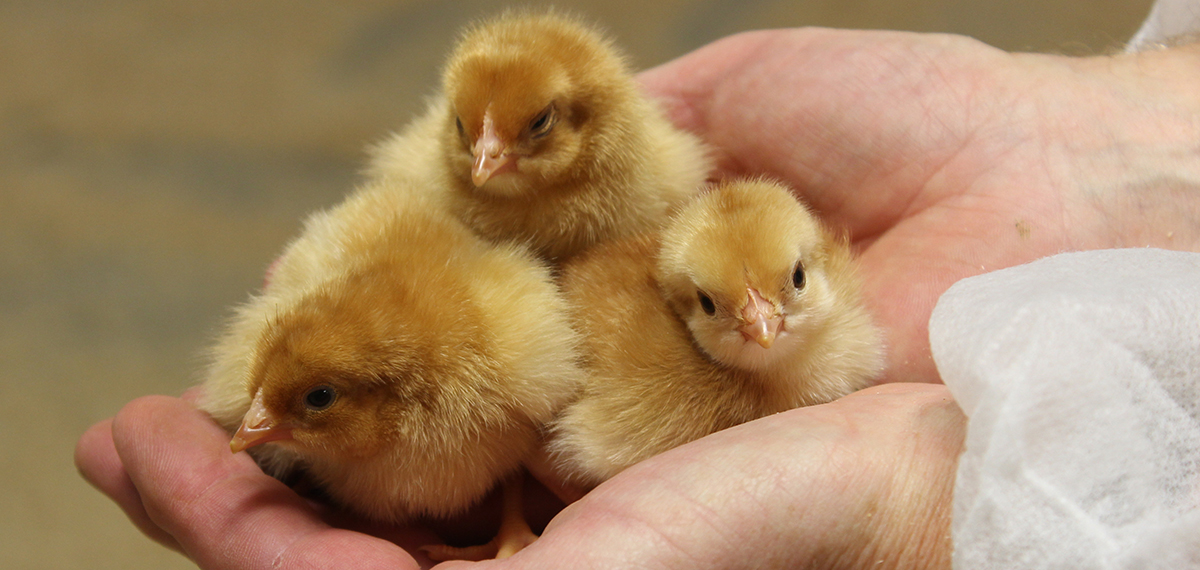
Hållbar kyckling och tre små kycklingar i en kupad hand.

ALREADY ACCOMPLISHED

From the outset, Bjärefågel has been driven by a focus on the chickens' welfare. We also have a clear ambition to reduce our climate impact wherever possible.

In Sweden, as a member of Svensk Fågel, it is permitted to raise 36 kg of chicken per square metre in the barns. We have approximately 20 kg of chicken per square metre, which means the Bjäre chickens have almost twice as much room to move around in.

A new slow-growing chicken has been phased in, not just once, but three times, as we prioritise raising chickens with the best possible health. 

To reduce the business's climate impact, we switched to new consumer packaging in 2020, which has reduced the amount of plastic we use by 61 percent. We have now begun installing solar panels at as many facilities as possible, so that Bjärefågel can produce its own renewable energy.

Bjärefågel in Torekow AB has received support from the European Agricultural Fund for Rural Development to replace lighting with LED and update ventilation control to modern energy-efficient control in five older chicken houses during 2023. The ventilation control helps reduce heating requirements and the LED lighting reduces electricity needs.

The aim of this investment has been to become a more energy-efficient food producer with a focus on animal health. The updated ventilation control also improves the ventilation for our animals.

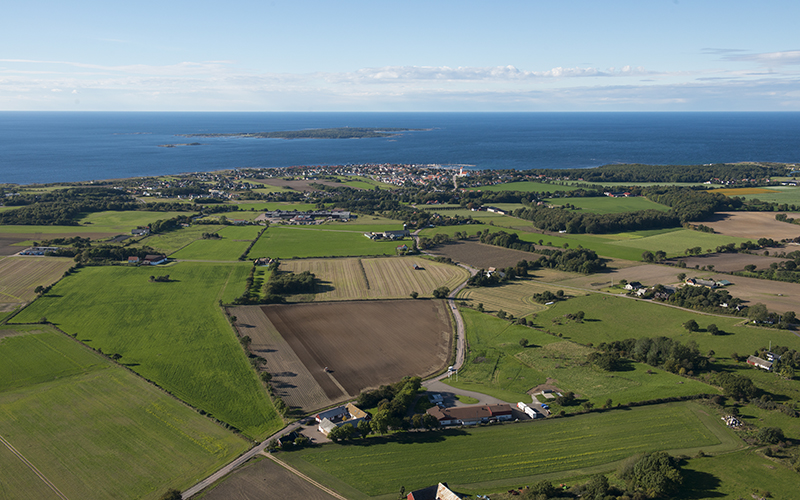
Flygfoto på bjärehalvön.

Transport and energy are important factors

Most of our breeding farms are located on Bjäre or in southern Halland. Keeping transport distances as short as possible is important as it minimises transport stress for the chickens and helps reduce the company's climate impact. Only fuel from renewable resources is used in the chicken farms.

At the slaughterhouse, oil consumption has so far been reduced by 90 per cent, through investment in a heat recovery facility. Furthermore, only electricity from renewable sources is used throughout the company.
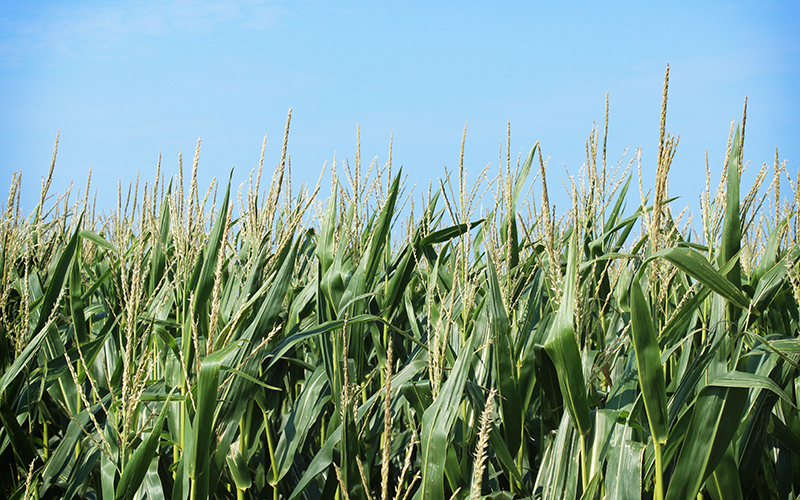
Bjärefågel majsplantor.

Feeding and fertilising - how we work

When it comes to chicken feed, most of the ingredients are grown in southern Sweden. All soy used by our farmers is certified according to ProTerra or RTRS via the feed companies Lantmännen and Svenska Foder, acting as importers of soy. The soy is GMO-free and is transported separately from other soy.

Manure is returned to nearby fields to contribute to a local cycle between cultivation and animal husbandry. Furthermore, the amount of artificial fertiliser used on farms that fertilise with natural manure is reduced. 
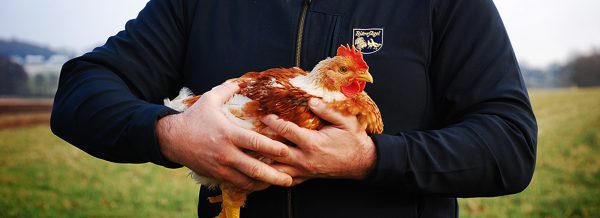
Man som håller i en kyckling i famnen.

What to do

Bjärefågels Environmental and climate goals are based on the UN's Agenda 2030 work.To have concrete goals that are relevant to our environmental and climate impact, we chose three goals to focus on:

Based on the three objectives and contemporary research on animal husbandry, environmental and climate impact, six concrete goals were created for Bjärefågel to work towards, both in the short and long term:

  1. Lowering electricity consumption over time.
  2. Transition to fossil-free transport.
  3. Reduce the amount of soya used. Soya is the most climate-intensive ingredient in our feed.
  4. Optimise resource utilisation within the business so that we:
    1. We are reducing the amount of plastic used to package our products.
    2. Reduces the amount of fuel used to heat the chicken barns.
  5. Increase the stimulation for the chickens in the barn environment.
  6. Implement a new anaesthetic method that is demonstrably better than the techniques currently available: carbon dioxide anaesthesia and electrical anaesthesia. 

What is the difference between chicken and

Bjäre chicken?

Do you have any questions or concerns?
A warm welcome to Contact us – We are here for you!