
SWEDISH CLIMATE IS NOT VERY OUTDOORs-FRIENDLY
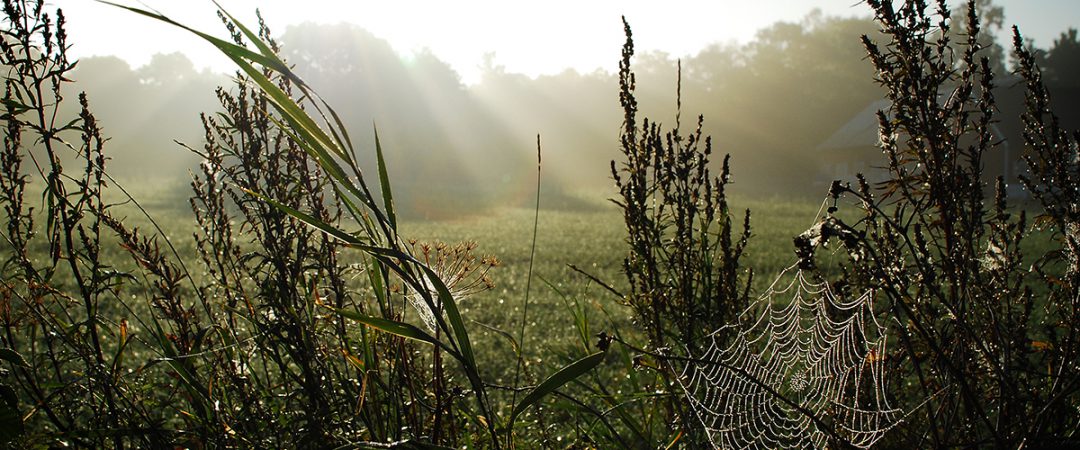
The Swedish climate shifts rapidly between cold, rain and wind for much of the year. When the chickens go outside, their legs and feet become damp. This moisture is then carried into the coop bedding by the chickens, which can easily become corrosive and damage the birds' feet and legs. We don't want this to happen. Our birds should have good foot health, and they do today.
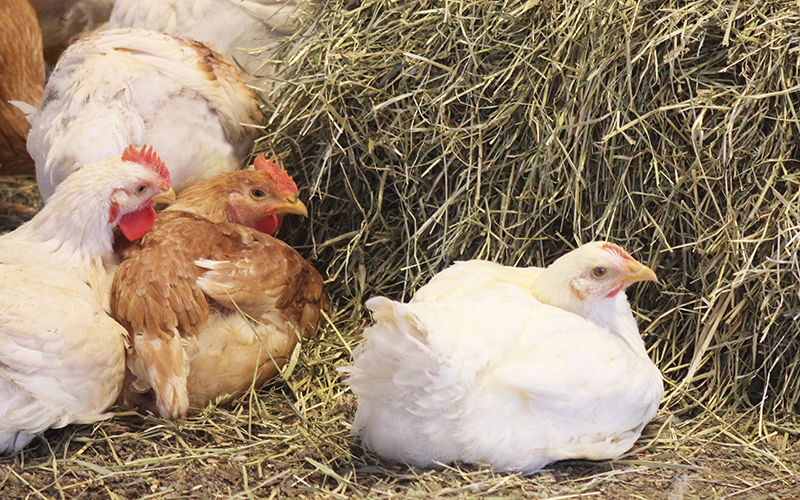
One of the tools we use to monitor the welfare of our chickens is foot scoring. For each flock, our veterinary assistants assess the chickens' feet. A score of zero is the best result, while 200 points is a poor result. The foot scores for our flocks are generally zero or close to zero. Thanks to this, our birds are active and move around the entire house freely.
With infections in circulation come risks
Outdoor staying also brings significant risks of various infections, such as bird flu, campylobacter, and salmonella. In recent years, bird flu has been very active in Sweden. During periods of bird flu, outdoor staying for chickens is not permitted, sometimes in different zones and sometimes across the whole of Sweden.
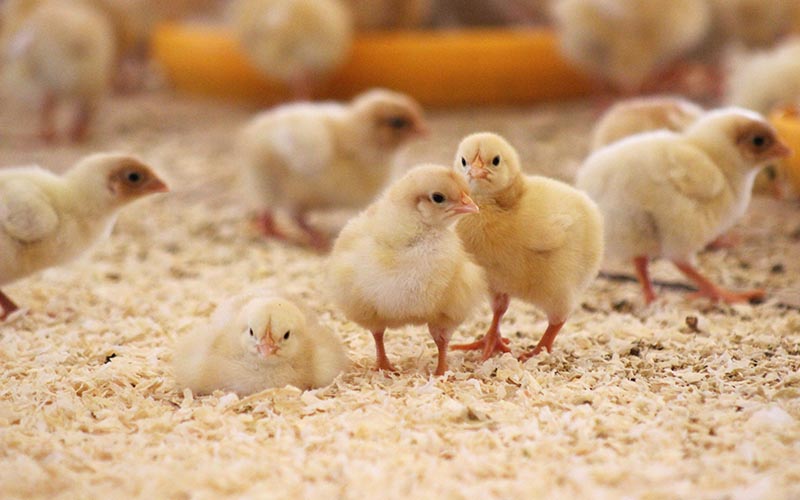
We do not want to expose the chickens or our customers to risks. Therefore, we have chosen to invest in a good indoor environment with almost twice as much space per bird, compared to what is required in Swedish chicken farming. Ventilation, air quality, temperature, water and feed are controlled via computer. Should anything go wrong, staff is immediately alerted. We visit each stall twice a day to check the chickens and the environment, to ensure that the birds are well cared for.